How Touch-Free Fingerprint Scanning Shapes the Future of Verification
Fingerprinting has changed a lot. We moved from messy ink cards to fast and accurate Live Scan systems. Today, Live Scan helps people complete identity checks for jobs, licenses, travel, government needs, and background checks.
Now, a new idea is growing — touch-free fingerprint scanning. This technology already shapes how we view digital identity and fingerprint services. Many industries want faster, cleaner, and easier identity checks, and touch-free scanning helps meet that goal.
This blog explains how it works and why its demand is rising.
What Is Touch-Free Fingerprint Scanning?
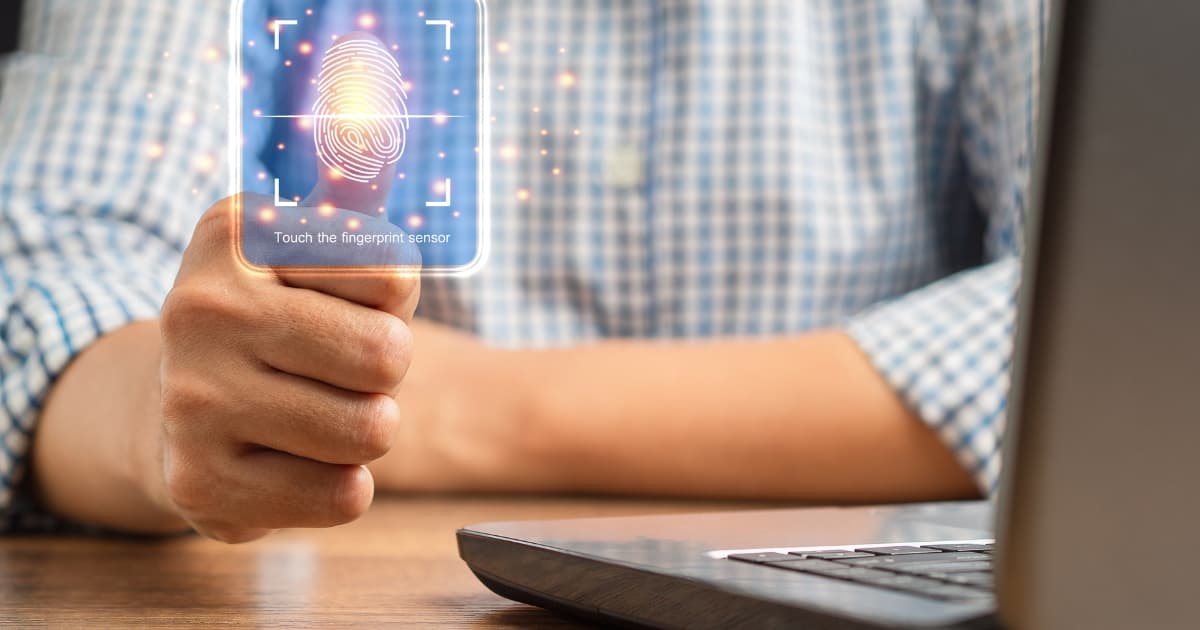
Touch-free fingerprint scanning captures fingerprints without contact using advanced cameras and sensors. It takes a photo or 3D image of your fingertips and reconstructs ridge patterns in detail. Machine learning and biometric tools match these prints like traditional scans. With growing hygiene needs and demand for faster, smoother identity checks, touch-free fingerprinting is gaining popularity across industries.
Why Touch-Free Fingerprinting Is a Game-Changer
Touch-free fingerprinting is transforming how organizations verify identities. It combines safety, speed, and convenience, making fingerprint capture simpler for everyone.
1. Better Hygiene and Easier for Users
In busy places like hospitals and public offices, germs spread easily. Contactless fingerprinting keeps people safer because no one needs to touch a device.
Users simply hold their finger in front of a camera, just like taking a photo. This feels natural, quick, and less stressful.
2. More Accessible and Easy to Scale
This technology works on smartphones, so more people can use it without buying expensive equipment.
It also creates fingerprint templates that work with older fingerprint systems, so organizations can upgrade smoothly.
3. Strong Security
Touch-free systems check for real, live fingers to stop fake fingerprints.
They also use smart algorithms that deliver accurate matches with very few mistakes.
In addition, some systems process the fingerprint directly on the device. This protects private data and makes the system faster.
4. Faster and Cleaner Live Scan
In law enforcement and background checks, touch-free scanning speeds up the fingerprint process. It improves quality and reduces human mistakes, so people move through the process faster than with ink.
Since no one touches any equipment, teams also spend less time cleaning and maintaining devices.
Key Technology Behind Touch-Free Fingerprinting
Modern touch-free systems rely on advanced technology to make fingerprint capture accurate, secure, and seamless.
- Image Capture and Enhancement: These systems use deep learning to capture clear fingerprint photos. They improve images even in bad lighting or at tricky angles, keeping fingerprints sharp and readable.
- Anti-Spoofing: Security threats are always evolving. These systems use advanced deep-learning models to spot fake fingerprints, even when they haven’t seen those fakes before.
- On-Device Processing: Many systems process fingerprint data directly on smartphones. They encrypt data for safety and remove the need for constant internet access, making verification faster and more secure.
Wider Implications and Applications
Touch-free fingerprinting is not just for one industry — it benefits many sectors by improving safety, speed, and efficiency.
1. Digital Onboarding and Identity Proofing
Industries that need KYC checks — like banks, fintech companies, and telecoms — can use touch-free fingerprinting to make mobile onboarding smoother, faster, and more secure.
This also helps businesses that offer fingerprinting services in Cleveland improve convenience for users.
2. Government and Border Control
Government offices and border agencies are able to employ touchless biometrics for identity verification in a very efficient manner. This method not only allows the work to be done at a brisk pace but also ensures the safety of the people, as no one comes in contact with the shared surfaces.
3. Healthcare
Medical institutions such as hospitals and clinics have the opportunity to implement contactless fingerprinting as a measure to diminish the risk of infections. The process of staff members identifying patients, handling medical records, and regulating access to confidential areas becomes safer and more hygienic with the help of this technology.
4. Access Control
Secure facilities can use four-finger touch-free scanners to strengthen entry control. These scanners capture clear images without contact and require only small changes to existing systems.
Challenges and Considerations
Touch-free fingerprinting still has challenges. Lighting and camera quality affect image clarity, and deep-learning tools cannot fix every case. Attackers may try new spoofing methods, so teams must improve liveness checks. Strong privacy protection is crucial, and older systems can slow adoption without smooth database and workflow integration.
The Future Outlook
Contactless fingerprint scanning is a major component of identity confirmation that is changing very fast, and the use of such technology is increasing in digital services. With the continuous improvement of AI, machine learning, and mobile devices, we will experience speedier and more precise fingerprint capturing, improved multi-modal biometric utilization, a larger number of consumer and institutional systems users, and more privacy-friendly designs with on-device matching.
Final Thoughts
Touch-free fingerprint scanning provides a faster, safer, and easier way to verify identity. It combines accurate biometrics with simple mobile imaging for onboarding, background checks, and secure access. For smarter, faster verification or a trusted fingerprint service in Texas, contact TexasFingerprints and Notary today.
Ready when you are
Book online in minutes — same-day appointments often available.
Explore our services: Fingerprinting · Notary · Apostille · Loan signing