Fingerprinting Services in Tomball: Supporting Volunteers and Nonprofits
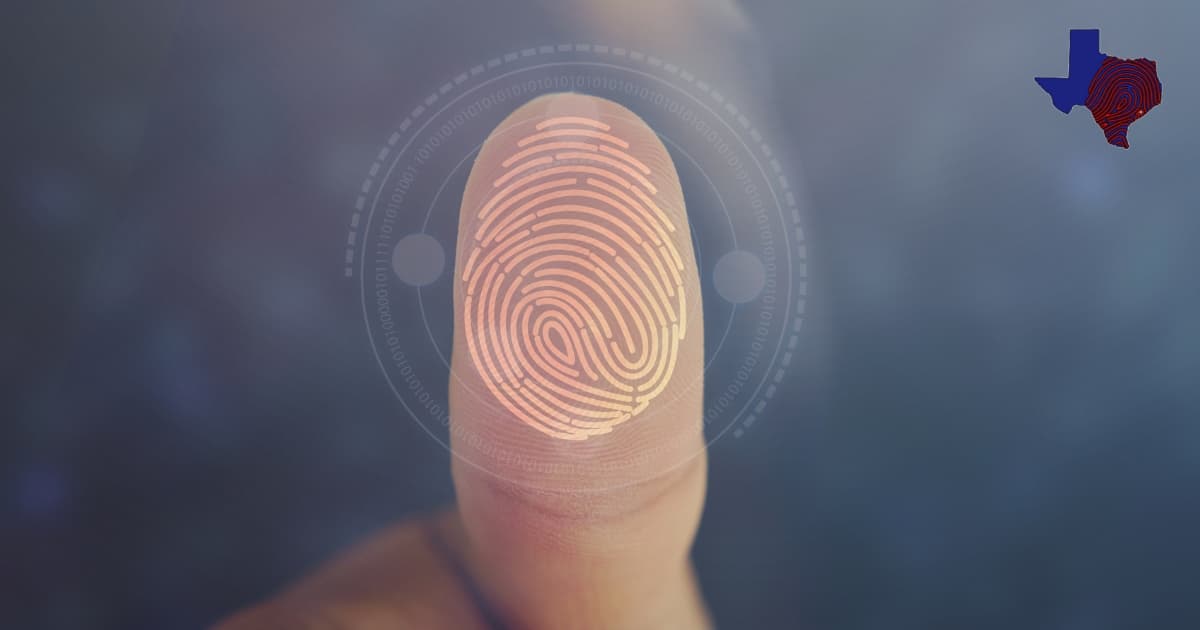
Fingerprinting services are very important for helping NGOs and volunteer initiatives in Tomball. These groups help make communities stronger by doing things like helping seniors, mentoring kids, and volunteering in shelters. It's crucial to investigate the histories of volunteers to make sure they are safe and trustworthy. These fingerprinting services in Tomball come in. They make sure that all volunteers are properly checked to keep these programs honest.
Why it's important to check volunteers
Most of the time, volunteers want to help, but NGOs and community groups need to protect the people they serve. Organizations put vulnerable populations in peril if they don't do thorough background checks. This is especially true for programs that help kids, old people, or individuals with disabilities.
Fingerprinting services assist in verifying the identification and criminal record of people who want to volunteer. Organizations may make sure they are hiring trustworthy and qualified people by completing these background checks. This not only makes the area safer, but it also makes people trust the nonprofit's work more.
The Role of Fingerprinting in Volunteer Screening
Fingerprinting is one of the best techniques to check someone's background. Fingerprints are different from name-based checks since they are unique and cut down on mistakes and mix-ups. In Tomball, professional fingerprinting services employ both old-fashioned ink and new device fingerprinting techniques to provide results that are quick, accurate, and legal.
Here is how fingerprinting assists groups that need volunteers:
- Better Security: Fingerprinting helps businesses discover people with criminal backgrounds more accurately. This is vital when dealing with weak groups.
- Following the Rules: Many nonprofit organizations have to obey rules set by the state, local, and federal governments. Fingerprinting helps businesses meet these screening requirements.
- Faster Volunteer Process: Nonprofits can swiftly approve volunteers without delays if they can trust the background checks.
- Protecting Reputation: Screening volunteers carefully helps create and preserve trust with funders, beneficiaries, and the community.
How Tomball's Fingerprinting Services Work
Fingerprinting services in Tomball are easy, fast, and useful for both volunteers and NGOs. To minimize long waits and make things easier, most places let you arrange an appointment.
Here's a brief guide that explains how it works step by step:
1. Make an appointment for fingerprinting
Volunteers can make an appointment online or by phone for a time that works for them. A lot of services stay open on weekends and evenings, which is helpful for people who are busy.
Some suppliers will even come to you to do mobile fingerprinting for events or group sessions. This step cuts down on the time it takes and keeps volunteers from having to wait in line.
2. Have a valid ID
Volunteers must provide a valid government-issued photo ID, like a driver's license or passport, before they can get their fingerprints taken. This ID shows who they are and stops others from trying to be someone else.
Depending on what the nonprofit asks for, some roles may need more paperwork. The process goes smoothly and without mistakes if you bring the appropriate ID.
3. Get the fingerprints
Staff who have been trained use either ink cards or digital live scan equipment to take fingerprints. Live scan is quicker, cleaner, and delivers fingerprints directly to the system.
The team assists volunteers through the process and makes sure the prints are clear. They correct prints right away if they don't scan well, so that there are no delays.
4. Do the Background Check
The system analyzes the fingerprints against state and national databases after they have been collected. This includes the FBI, the Department of Justice, and other government groups.
The check helps find out whether someone has a criminal record that could be dangerous. This process goes faster with digital technology, especially for big groups of volunteers.
5. Get the Results
The nonprofit gets a report that tells them if the volunteer has a clean record or any problems. This helps them pick the appropriate people for the right jobs.
These reports are only available to trusted staff, and all information stays private. Quick results help the nonprofit get volunteers faster and keep things running smoothly.
A lot of NGOs in Tomball now utilize electronic fingerprinting because it's quick, accurate, and simple to use. It enables them to swiftly check out volunteers so they can spend more time assisting the community.
Benefits of Fingerprinting for Nonprofits and Programs that Help Others
Fingerprinting volunteers can help nonprofit groups in a lot of ways:
- Safer volunteer Spaces: Fingerprinting makes sure that everyone is safe. People who volunteer feel better about themselves because they know everyone has passed a background check.
- Stay out of trouble by following the law: Fingerprinting helps NGOs stay safe and stay out of problems with the law. It also keeps the organization safe from dangers.
- Trust Donors: People who give money to a nonprofit feel better about it when they know that the organization cares about honesty and safety.
- Work and Save Time: It's quick and straightforward to use electronic fingerprinting. It saves employees time by reducing the amount of paperwork and manual checks they have to undertake.
Fingerprinting makes it easier to run volunteer programs that are safer and more trustworthy. This gives NGOs more time to help their communities and less time to worry about safety.
When Fingerprinting Is Very Important for Nonprofits
Fingerprinting is very important for some charitable initiatives to keep people safe and develop trust. Here are some common examples:
- Programs that help young people become mentors: Mentors spend a lot of time with kids, so it's crucial to look into their past and make sure they don't have a criminal record.
- Volunteering at a senior center: Volunteers often spend time alone with seniors. Fingerprinting helps keep elders secure from abuse or harm by making sure the volunteers are safe.
- Help at an animal shelter: A lot of shelters require background checks before people may work with animals. This keeps the animals and the personnel safe and follows the laws of the shelter.
- Community Outreach and Support Work: Volunteers who give help or work with private information must pass background checks. This keeps the program safe, and the public trusts it.
If your nonprofit needs services like fingerprinting or Notary service The Woodlands, TX, you may use local options to make the process quick and easy. Fingerprinting helps nonprofits keep their clients safe, follow the rules, and gain their trust.
How Fingerprinting Can Help Protect the Community
Fingerprinting not only benefits some groups, but it also keeps the overall community secure. It keeps those with a criminal record from getting sensitive volunteer jobs. This keeps people who require extra help and care safe.
Fingerprinting makes people feel comfortable when they work with volunteers and nonprofits.
Also, checking on volunteers often helps to build a culture of honesty and responsibility in nonprofit work.
Because of this, more individuals want to join and stay committed. This makes the community and nonprofits trust each other more.
Final Thoughts
Fingerprinting services in Tomball help NGOs stay safe, speed up the process of checking volunteers, and stay in compliance. They lower risks, increase trust, and raise donor confidence. Professional fingerprinting helps NGOs focus on their goal by providing accurate, quick, and reliable screening for adolescents, elders, and the community.
Ready when you are
Book online in minutes — same-day appointments often available.
Explore our services: Fingerprinting · Notary · Apostille · Loan signing